
News
February 9, 2026
Protecting Black History When Truth Is Under Pressure
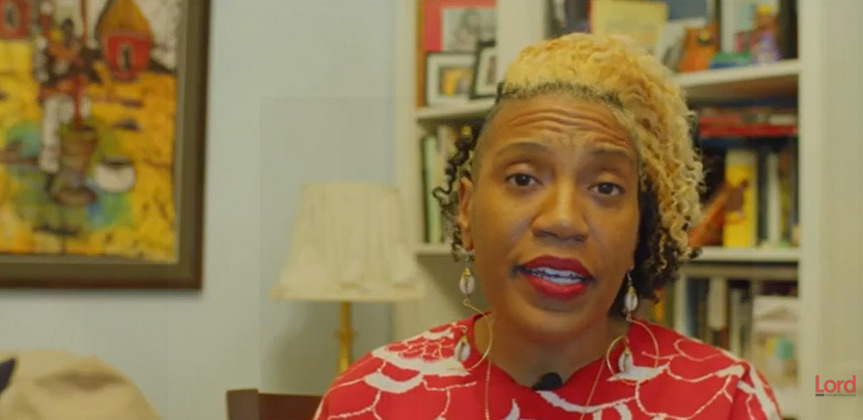
A message from Lord's President Joy Bailey-Bryant
Right now, across the country – in cities like Philadelphia and our nation's capitol of Washington DC, in federal cemeteries, even online – we’re watching Black history disappear.
When public memory, collective truth, and historical facts are under attack, who steps forward to defend these principles?
Museums and cultural institutions are tasked with more than preserving history. They’re being asked to protect truth, to hold space for difficult knowledge, and to carry memory forward when it’s most vulnerable.
This kind of erasure is not new. We have seen it in the disappearance of self-governed Black towns and autonomous communities, and we continue to see it through urban renewal – and it will not be the last time.
This Black History Month and in the days, months and years to come we choose truth. And by supporting the work of our Black cultural organizations, we ensure all the truth will carry on…
This Black History Month, we’re amplifying ways Black cultural organizations are answering this moment through their everyday work. They represent different places and different spaces, united through a shared responsibility.
They help us grapple with big concepts below.
Let us know what voices, stories and moments are shaping your perspective right now. Join the conversation on LinkedIn.
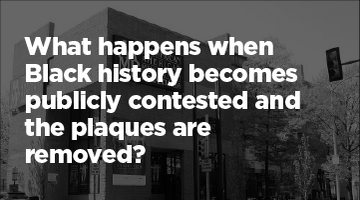
The African American Museum in Philadelphia stands as a civic anchor for Black history in Philadelphia, advancing scholarship, interpretation, and dialogue amid moments of political and cultural tension.
Read More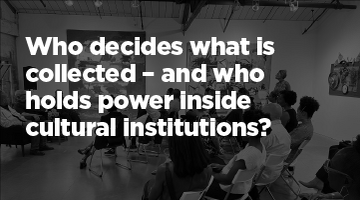
The Black Trustee Alliance for Art Museums (New York, NY) works to shift governance from within, strengthening the power of Black leadership on museum boards to ensure their institutions offer equitable and inclusive spaces.
Read More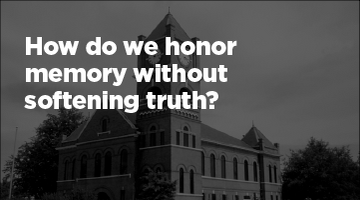
The Emmet Till and Mamie Till-Mobley National Monument (Tallahatchie County, MS) preserves the story of Emmett Till and Mamie Till-Mobley as a national reckoning that centers moral clarity, grief, and courage in the public landscape.
Read More
Planned on the African Burial Ground in Shockoe Bottom, the National Slavery Museum (Richmond, VA) is rooted in place-based truth-telling that acknowledges history as lived and endured.
Read More
Weeksville Heritage Center (Brooklyn, NY) preserves one of the nation’s earliest free Black settlements, demonstrating how community stewardship can protect memory across generations.
Read More
The Pauli Murray Center for History & Social Justice (Durham, NC) connects Black history to gender justice, legal equality, and lived experience — insisting on complexity rather than simplification.
Read More
The Mary and Eliza Freeman Center for History and Community (Bridgeport, CT) transforms once-threatened homes into a site of remembrance, repair, and community-rooted interpretation.
Read More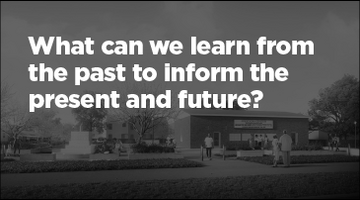
The Freedom Center and Clara Luper Civil Rights Center (Oklahoma City, OK) preserves the legacy of Clara Luper, an activist who taught her students and others in the community to employ nonviolent means to protest injustices.
Read More